Case Study
MyMedicalData
Designing trust-critical health experiences across onboarding, emergency medical access, AI guidance, and the public website.
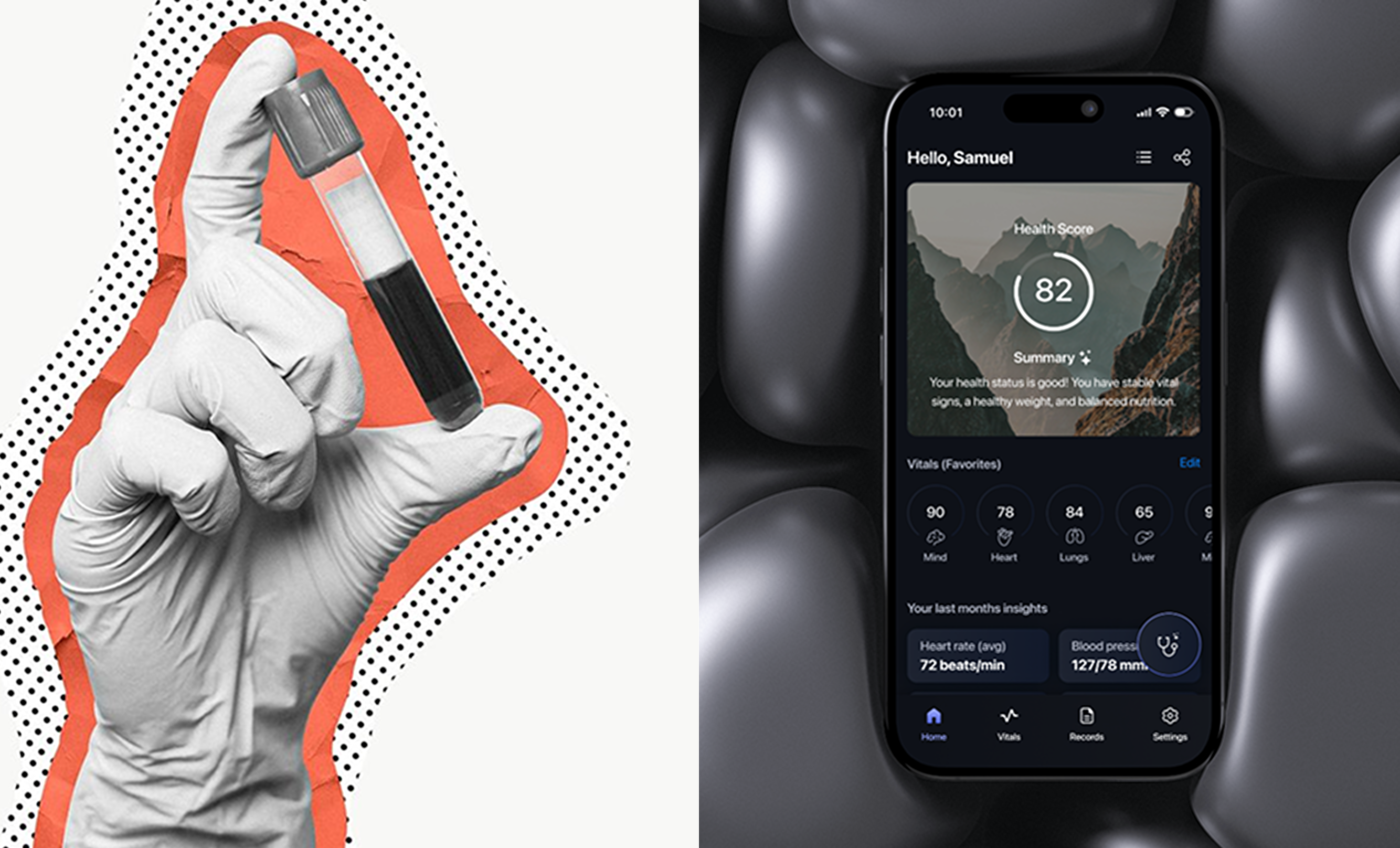
Outcome Snapshot
Role
Product Designer (UX/UI) with frontend collaboration
Timeline
January 2025 - Present
Team
Small cross-functional team: founder, developers, healthcare-informed stakeholders, and me as sole designer
Problem
Users needed to trust a new health product fast, complete secure sign-in without confusion, and access critical medical information quickly when stressed.
Measurable outcomes
- 3 core experiences redesigned in one cycle (onboarding, Medical ID, AI chat) between January-April 2025.
- Product and marketing touchpoints were aligned under one design language in Q1 2025 (delivery proxy).
- Analytics instrumentation is still being expanded, so current outcomes combine shipped scope plus moderated feedback proxies.
1. 30-second summary
I lead product design at MyMedicalData and work across both app and web surfaces. The highest-risk challenge was trust: users share sensitive health data, so every step had to feel clear, intentional, and safe.
I focused on three high-impact flows - onboarding, Medical ID, and AI chat - while partnering closely with developers to move work from Figma into production-ready behavior.
2. Problem + constraints
The product had promising functionality, but key flows did not yet communicate confidence clearly enough for healthcare contexts. The goal was to reduce friction in first use while making critical information easier to understand under pressure.
- Healthcare context raised the bar for clarity, readability, and perceived reliability.
- BankID needed to be visible as the primary path without overwhelming first-time users.
- Limited analytics coverage during this phase required relying on delivery and usability proxies.
3. My role + ownership boundaries
I owned
- UX/UI design for onboarding, Medical ID, and AI chat flows.
- Interaction patterns, visual hierarchy, and handoff documentation in Figma.
- Website experience updates to keep product and marketing language consistent.
I shared
- Feature scoping and implementation tradeoffs with developers and founder.
- Moderated review sessions to validate readability and confidence signals.
- Iteration planning based on technical constraints and release timing.
Out of scope
- Clinical policy decisions and medical recommendation standards.
- Backend data integration and security infrastructure implementation.
- Model training and evaluation strategy for AI responses.
4. Key decisions
1. Combine BankID-first entry with feature-led onboarding
- Decision
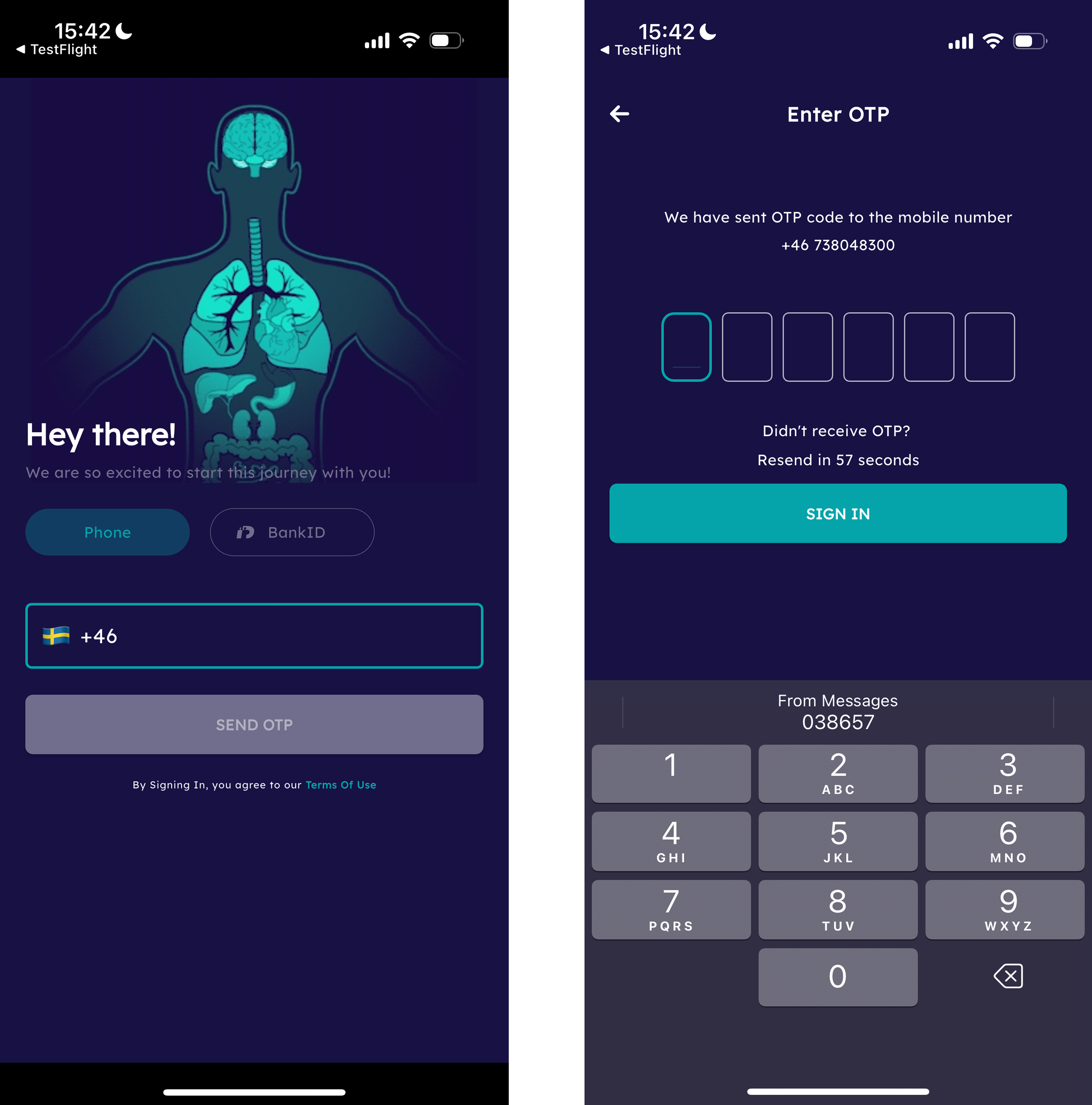
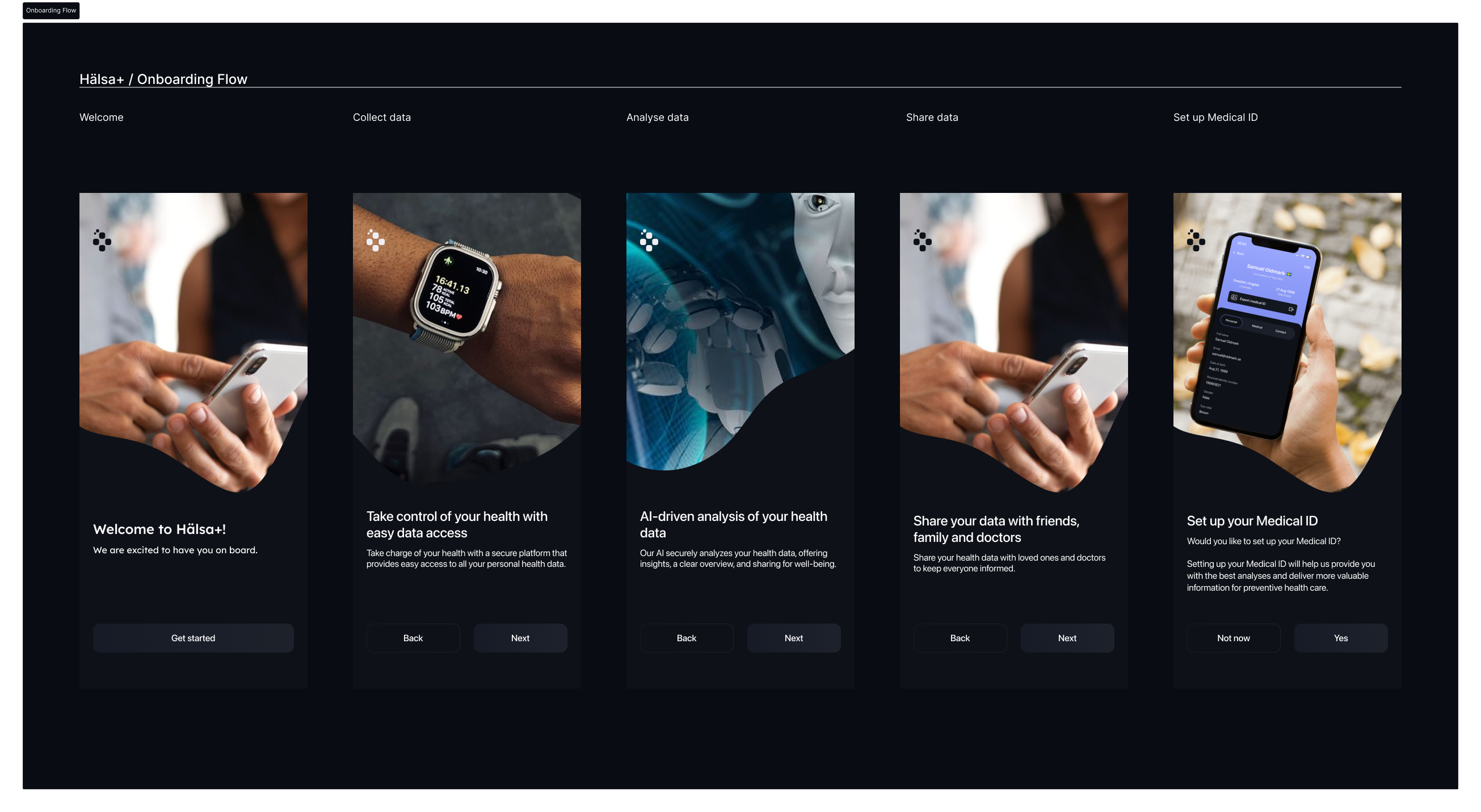
- I redesigned onboarding so BankID is the primary first action, then structured the next steps to progressively introduce key app features and what each one is for.
- Why
- The previous flow made secure sign-in feel secondary and did not clearly explain product value early, so users lacked both trust cues and feature context during first use.
- Result
- The updated flow reduces hesitation at sign-in and gives users a clearer understanding of core features by the time onboarding is complete, improving readiness for first real use.
Before
After
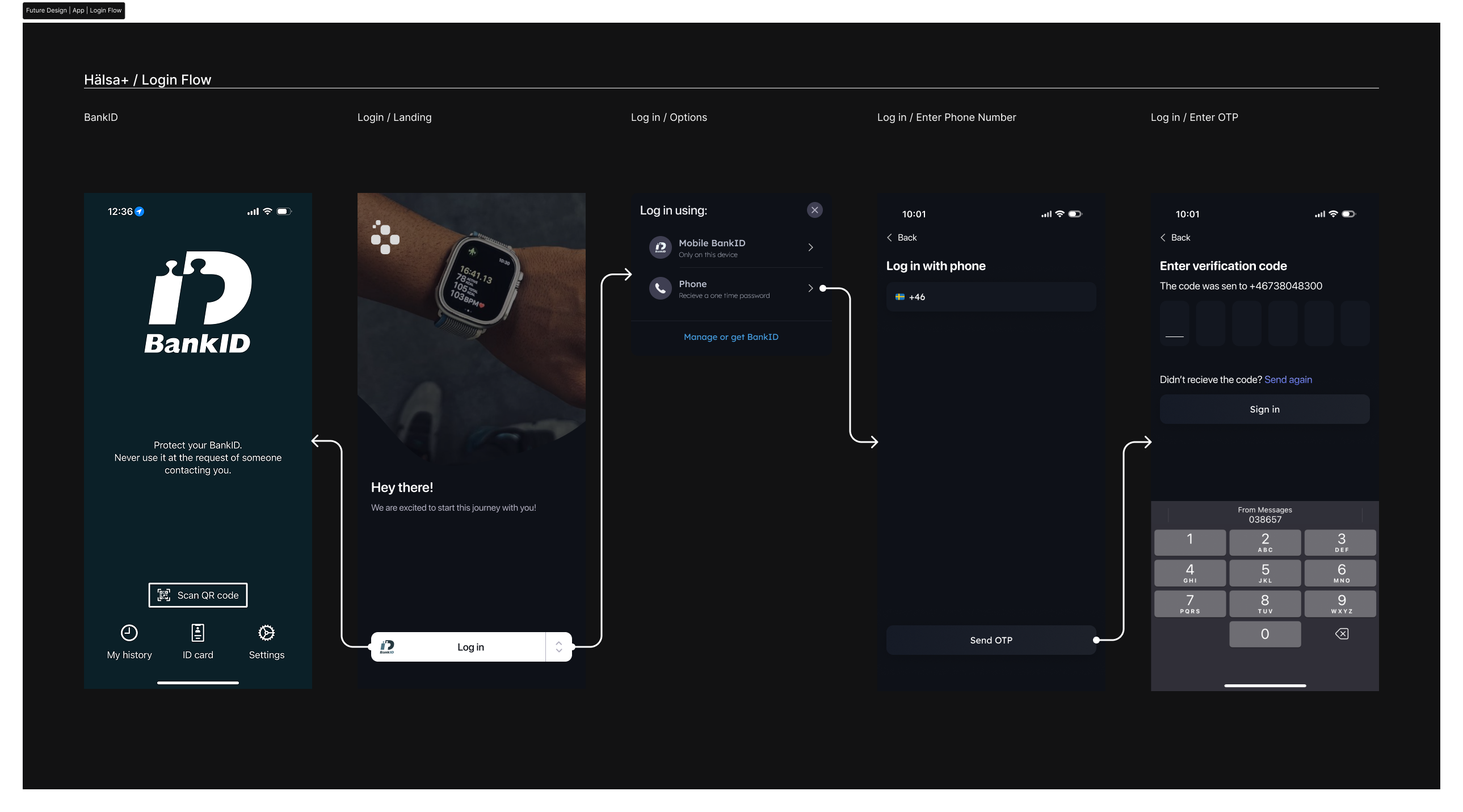
- Secure sign-in is now a first-glance action instead of a secondary choice.
- Copy and hierarchy were reduced to essentials for faster orientation.
- Visual rhythm and spacing now match the broader product system.
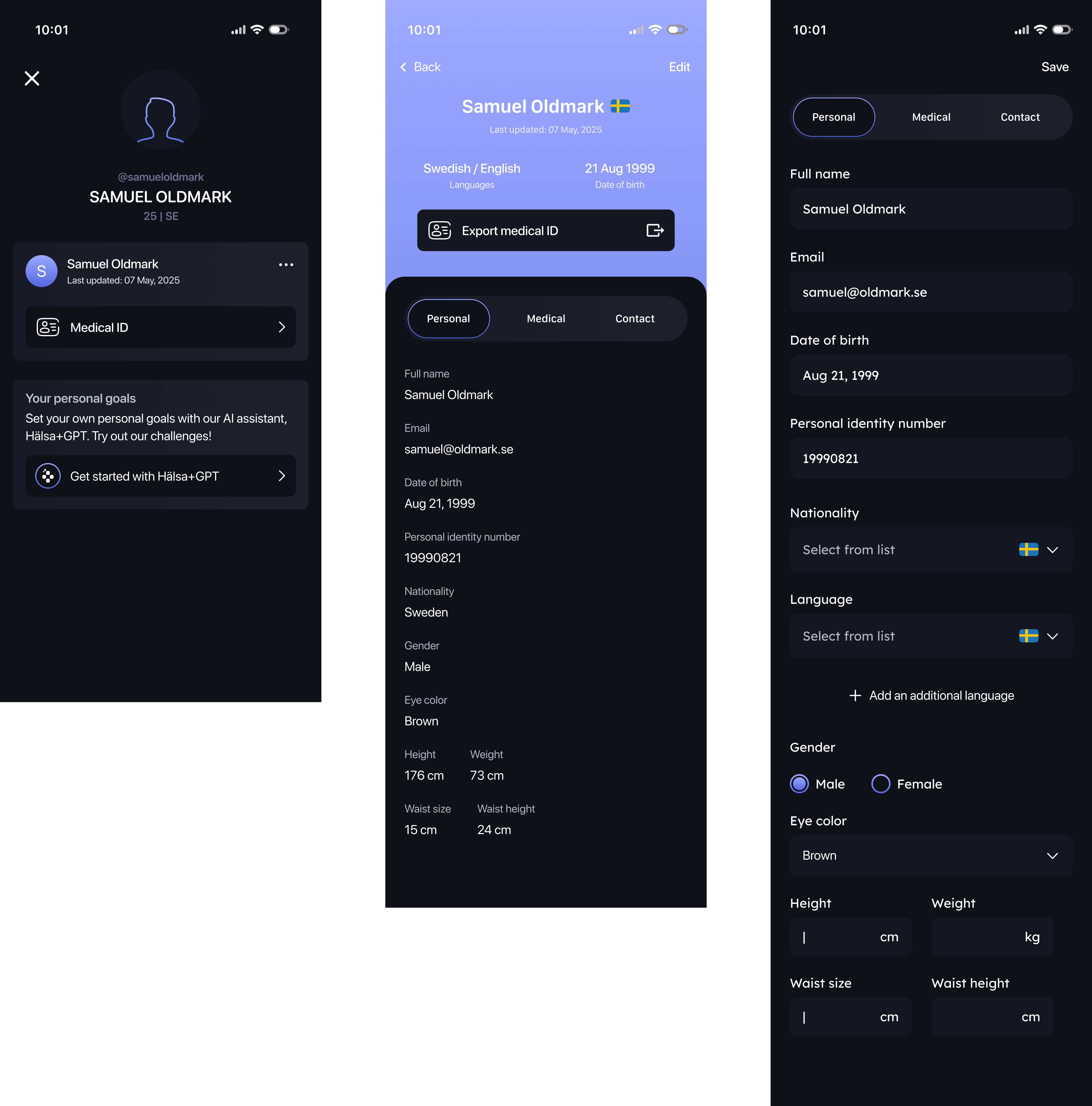
2. Design Medical ID for emergency-time scanning
- Decision
- I structured Medical ID around high-priority fields first (allergies, medication, contacts) with clear read and edit states.
- Why
- Emergency scenarios demand fast comprehension; dense layouts fail when users or caregivers are under stress.
- Result
- The resulting information hierarchy became the reference model for implementation and stakeholder sign-off of emergency data presentation.
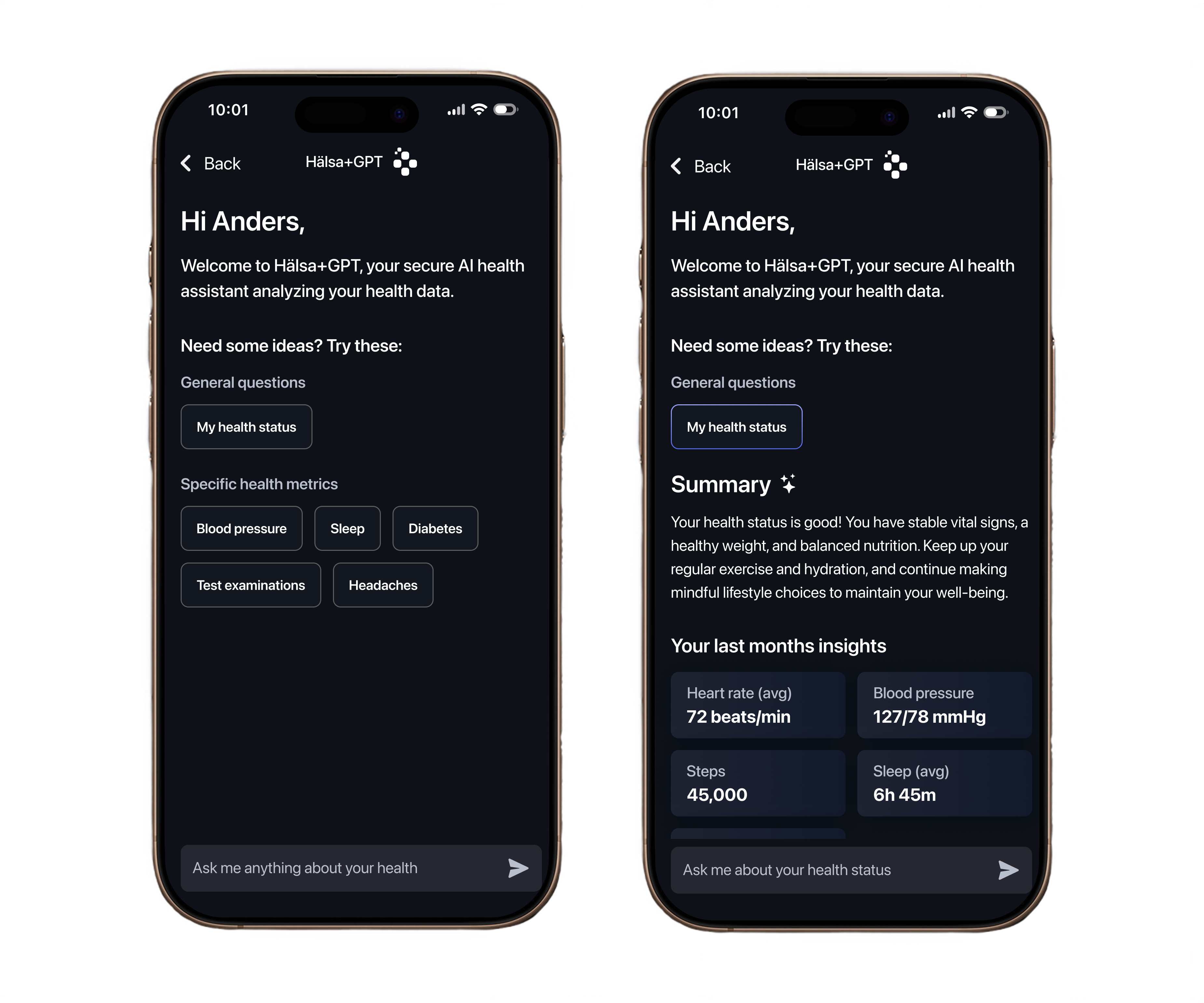
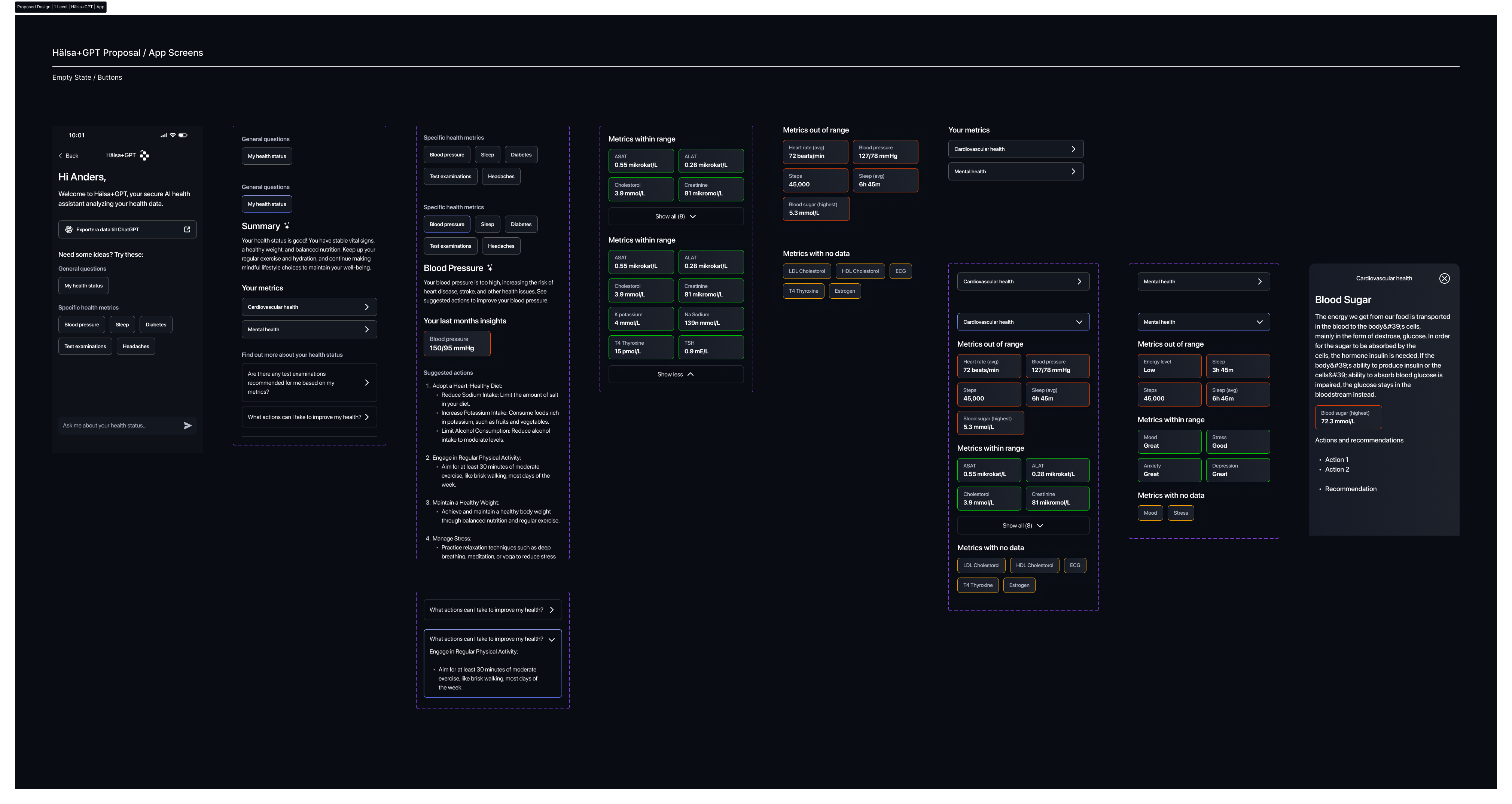
3. Add transparency patterns to AI chat responses
- Decision
- I introduced response framing that separates answer, context, and next step so users can understand what the AI is basing guidance on.
- Why
- Health-related AI needs explicit guardrails to avoid black-box behavior and reduce over-trust.
- Result
- Prototype reviews reported stronger confidence in response clarity, and the pattern is now used as the baseline for follow-up chat scenarios (proxy outcome).
Skills & tools


Design
Product design (UX/UI)
Designed onboarding, Medical ID, and AI chat flows across app and website surfaces.
Design
Design handoff
Interaction patterns, visual hierarchy, and handoff documentation for developers.
5. Outcomes
During this phase, outcomes are a mix of shipped scope and validated proxy signals while product analytics coverage expands.
Measured
3 core flows
Designed and shipped/prototyped in one delivery window
Onboarding, Medical ID, and AI chat were completed between January-April 2025 across product workstreams.
Proxy
1 shared system
App and website language aligned
Component behavior, copy tone, and visual hierarchy were synchronized across product and web touchpoints in Q1 2025.
Proxy
Trust-first feedback
Clarity improved in stakeholder and usability reviews
Review sessions consistently flagged onboarding clarity and emergency information readability as stronger in the updated flows.
Note: Activation, completion, and retention events are being instrumented; this case study intentionally labels current evidence as measured or proxy.
6. What I’d improve next
- Instrument onboarding and Medical ID funnels to quantify completion and drop-off by step.
- Run larger external validation on AI response comprehension beyond internal/stakeholder reviews.
- Add dedicated accessibility stress-testing for dynamic type, screen readers, and low-attention emergency use.